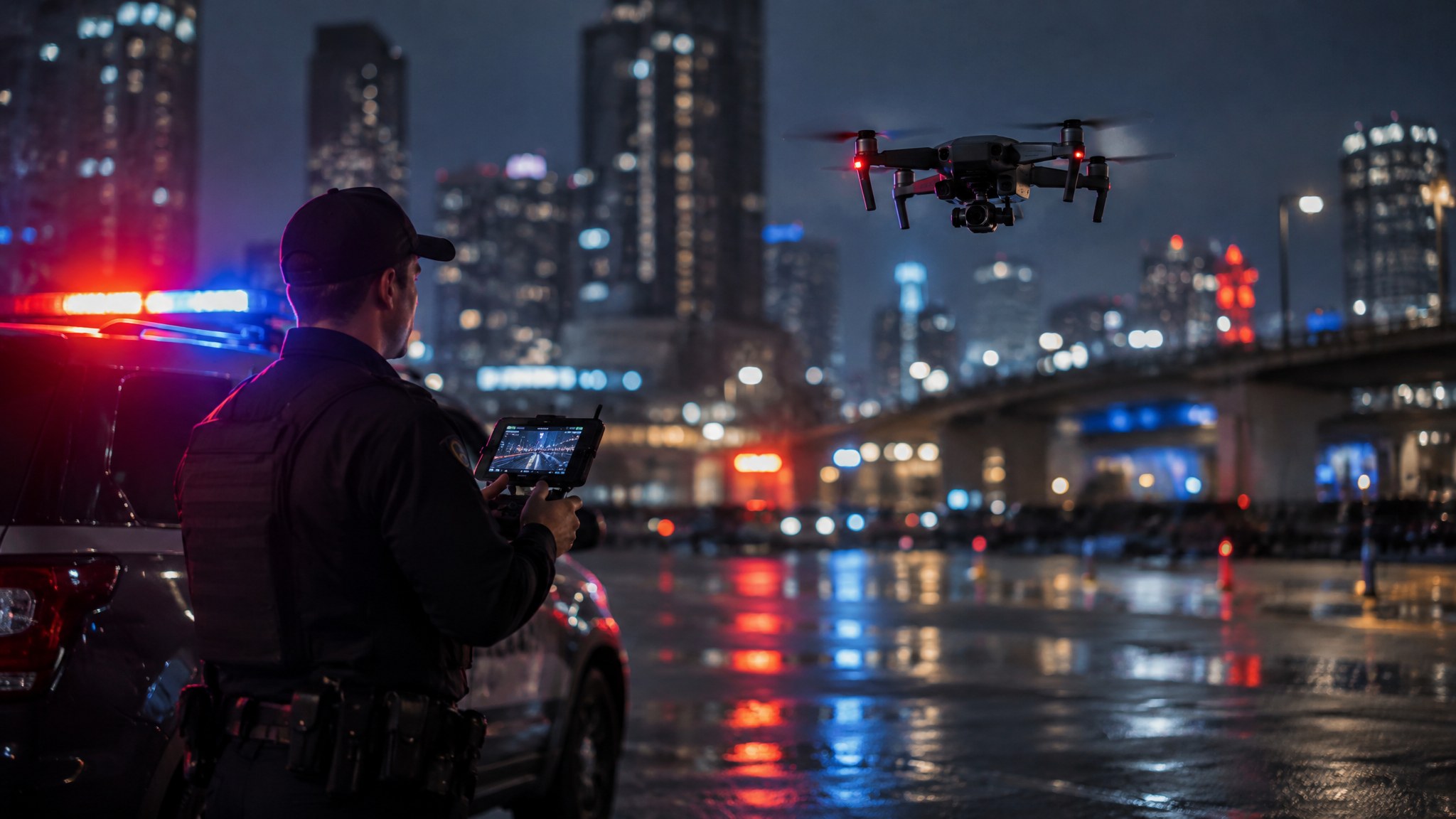
US Public Safety Drone Rules: Part 107 vs Public Aircraft (COA)
The two FAA pathways agencies and contractors use, what each allows, and how emergency (SGI) authorizations fit in.
Two pathways, one aircraft
In the United States a public safety drone mission is flown either under 14 CFR Part 107 (the civil small-UAS rule) or as a public aircraft operation under a Certificate of Waiver or Authorization (COA). Many agencies use both: Part 107 for routine training and documentation, and a COA where public-aircraft status gives the flexibility they need. A contractor flying for an agency is normally a civil operator under Part 107 unless the agency's public-aircraft status legitimately extends to the operation — confirm this in writing before the job.
What Part 107 requires
Each remote pilot in command holds a Part 107 certificate with current recurrent training, the aircraft is registered and broadcasts Remote ID (or flies in an approved identification area), and operations follow the standard limits: visual line of sight, below 400 feet above ground level unless near a structure, controlled-airspace authorization through LAANC or DroneZone, and no operation over moving vehicles or people beyond what the rule allows. Night flight is permitted with current training and anti-collision lighting. Anything outside these limits needs a waiver.
Public aircraft operations and COAs
A government entity can self-certify its pilots and aircraft under a COA, for example a blanket area COA or a jurisdictional COA. Public-aircraft status depends on the operator and the governmental function, not on the uniform. A COA does not cover a private company simply because it is hired by the agency. Ask any provider which framework they will operate under and ask to see the document.
Emergency authorizations (SGI)
During an active emergency the FAA's System Operations Support Center can issue a Special Governmental Interest (SGI) authorization for flights that would otherwise need a waiver or entry into a temporary flight restriction. SGI requests are sponsored by the responding agency and are time-limited. A directory listing or quote form can never grant this authorization — it remains the operator's and agency's responsibility.
Questions to ask a provider
Which framework will you operate under (Part 107, the agency COA or SGI)? Who is the remote pilot in command? Which waivers or authorizations do you hold, with numbers and expiry dates? How do you check NOTAMs and TFRs before launch? Always check the current FAA sources — this guide is advisory, may be out of date and is not legal advice.
Ready to compare providers?
Describe your project once and get quotes from suitable public safety drone providers.